
Original OrbTrail editorial, written in our own language from the reference publication.
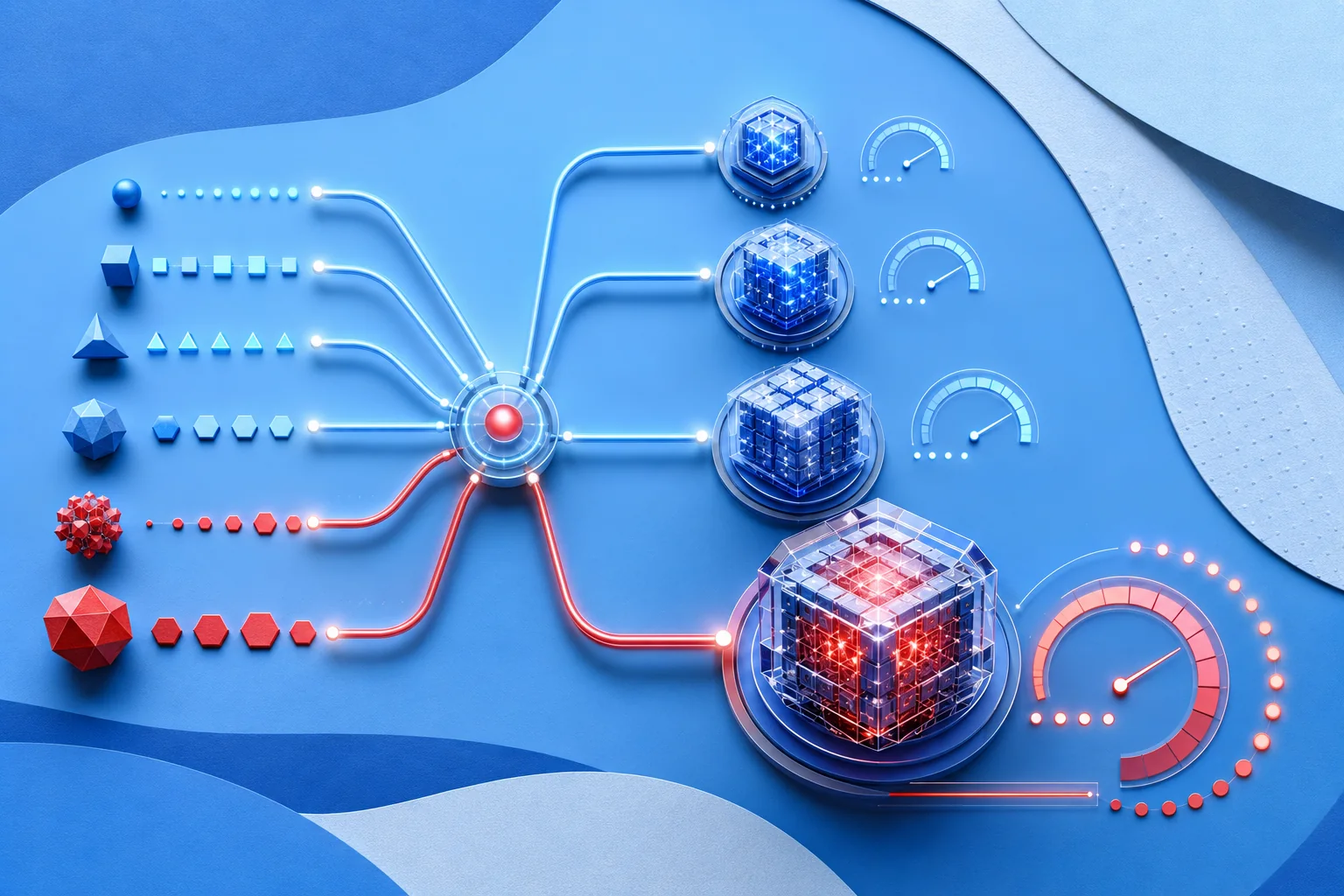
An agent usually starts with a clear job. After the first success, new requests arrive: billing, onboarding, IT support and facilities. When every responsibility is placed inside one agent, instructions expand, domains overlap and the reasoning engine must sort through too much competing context. Routing becomes less predictable and maintenance becomes harder.
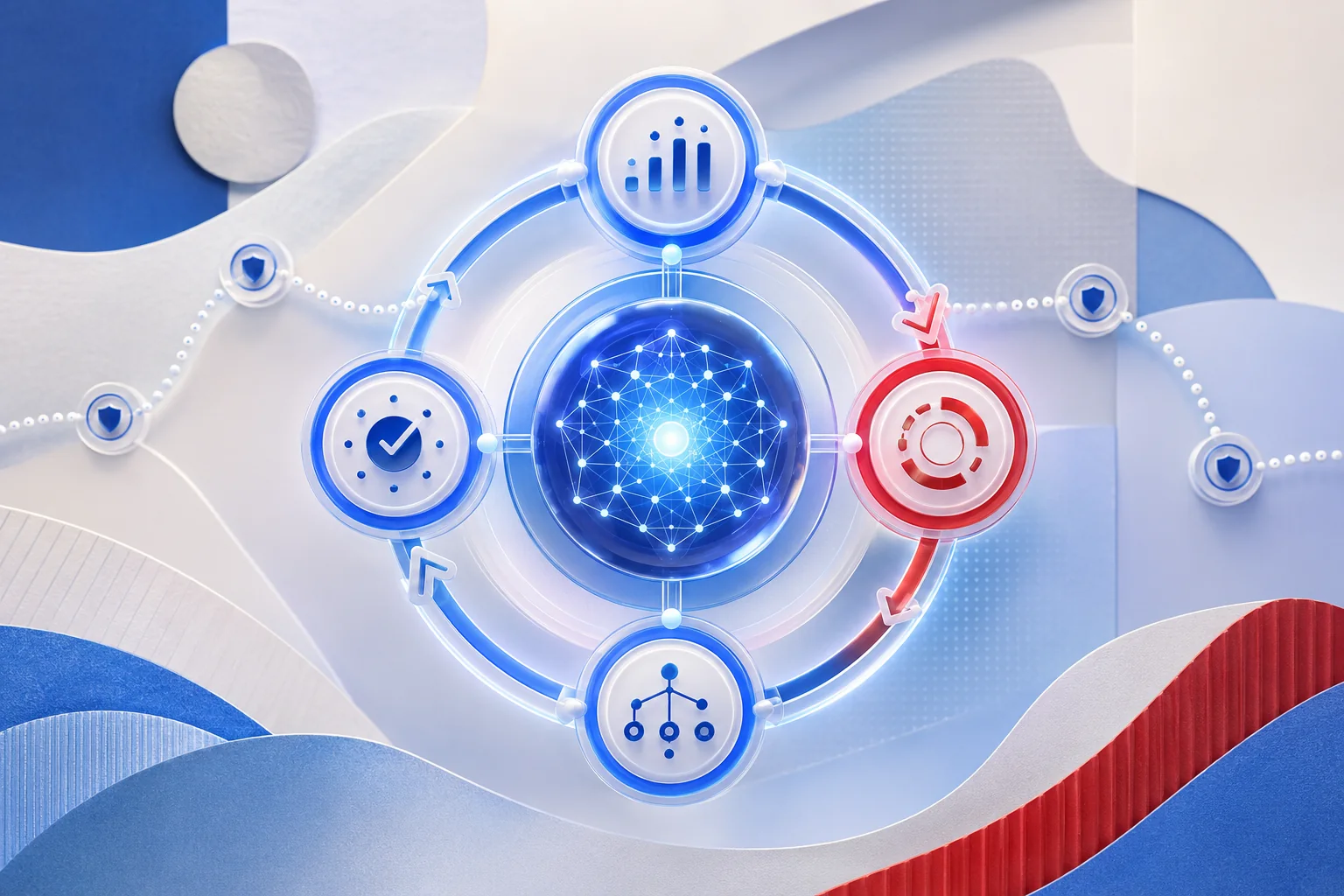
The Single-Org Multi-Agent model, or SOMA, offers a different structure. A Super Agent receives the conversation, identifies the intent and hands the task to a specialist Connected Subagent. Each agent owns its domain, data and rules. The user still experiences one continuous conversation even though work is distributed behind the scenes.
A single agent remains the best choice when the workflow stays within one domain, shares permissions and relies on similar data. Multi-agent architecture starts to make sense when boundaries between functions are clear, contexts differ substantially or failures need to be isolated. A useful signal is the point where a human team would naturally hand work to another specialist.
A larger architecture is not automatically a better one. SOMA is valuable because it reduces ambiguity and lets specialists evolve without carrying the organization’s entire context. Before splitting, describe each agent’s purpose in one sentence. If that sentence needs several uses of “and,” the scope may still be too broad.